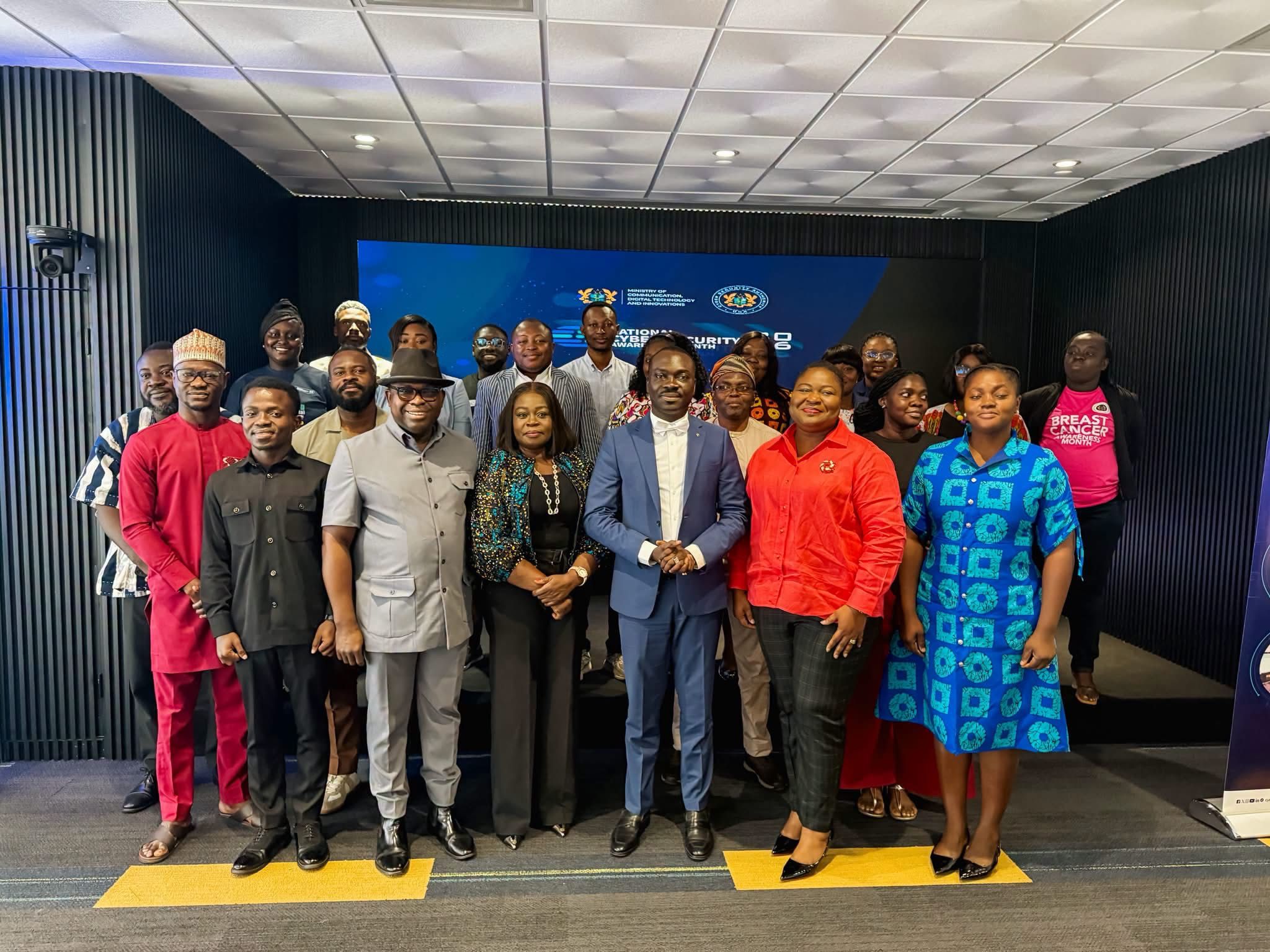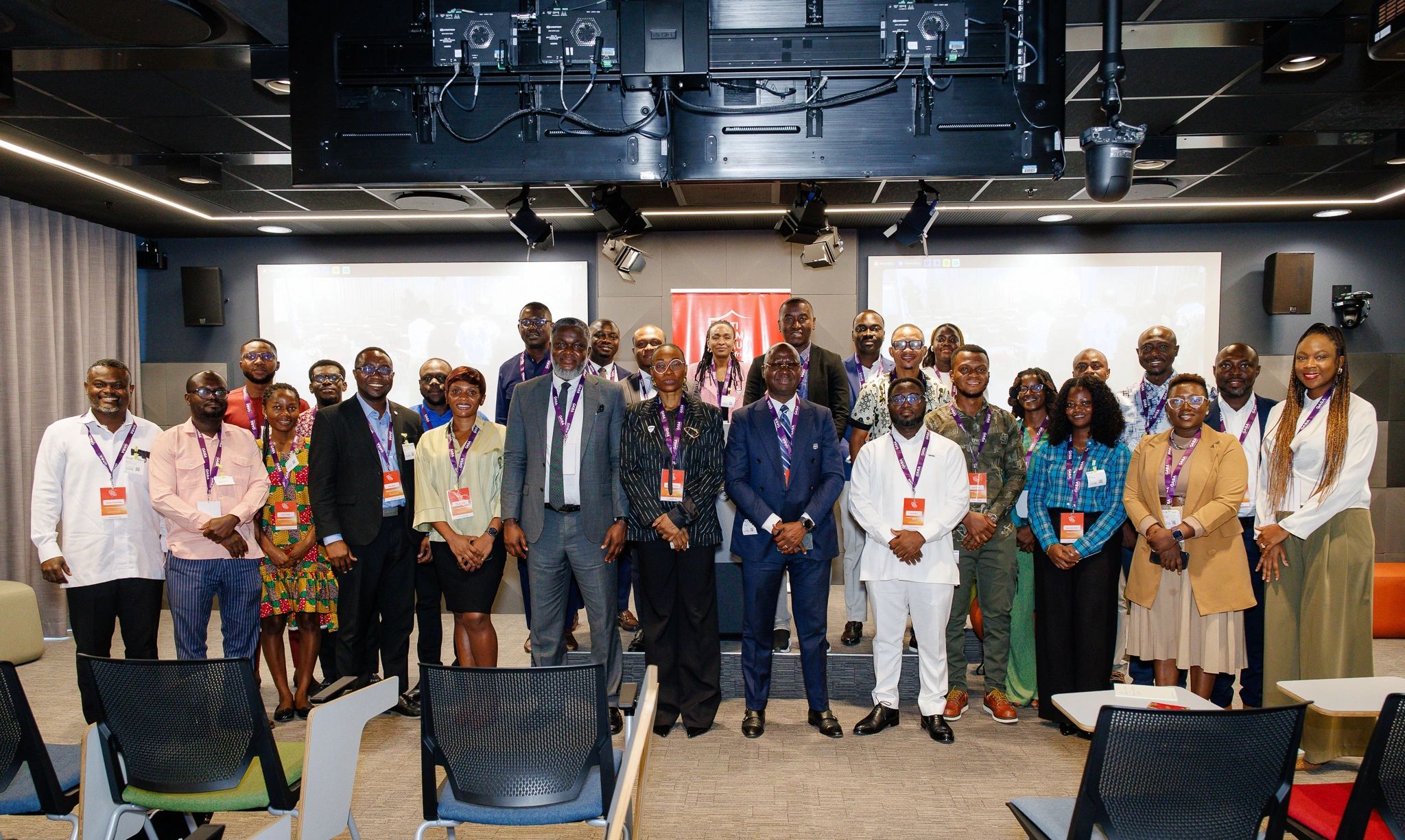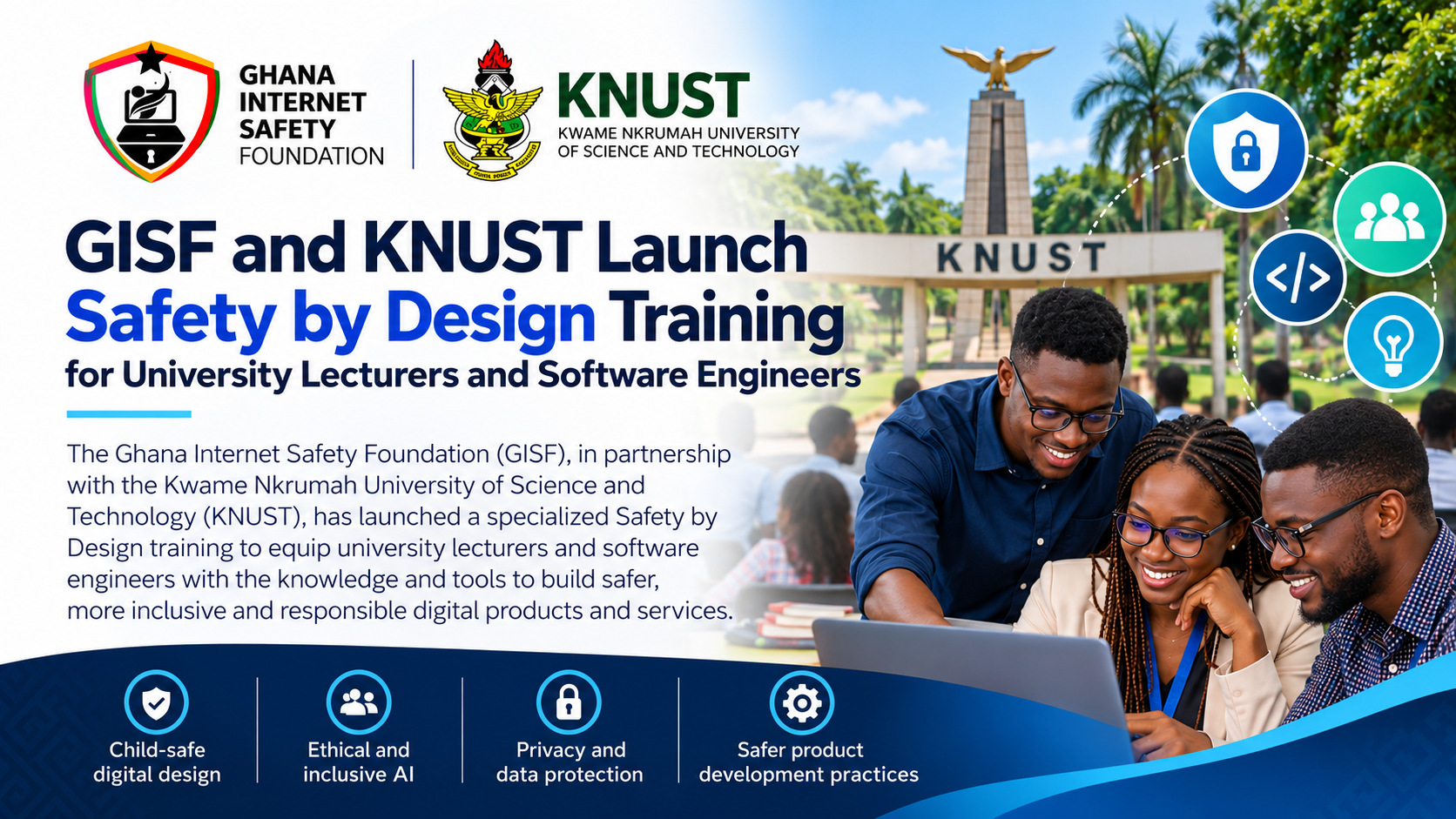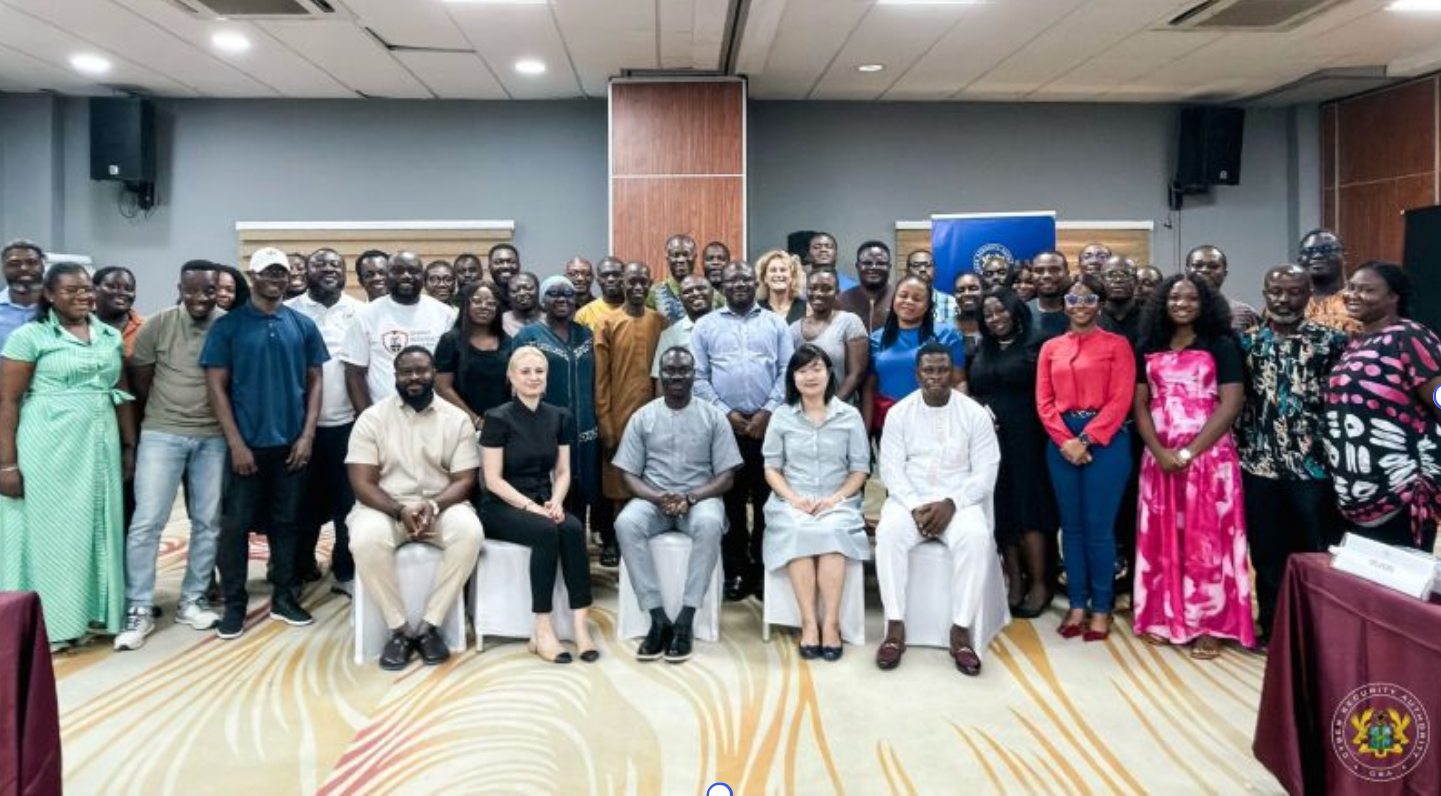
Summit outcomes highlight urgent priorities for prevention, reporting, law enforcement, technology accountability and coordinated national action, as safeguarding leaders receive recognition for their contributions.
ACCRA, GHANA | FEBRUARY 2026
The conclusion of Ghana’s maiden National Online Safety Summit (NOSS 2026) marked not an endpoint, but the beginning of a renewed call for collective action to protect children from online sexual exploitation and abuse.
Held from 3–4 February 2026 at the Alisa Hotel in Accra, the Summit brought together stakeholders from government, law enforcement, civil society, technology, academia and international safeguarding organisations to examine the challenges facing Ghana’s child online protection ecosystem.
Under the theme “Closing the Gaps: Building a United Front Against Online Child Sexual Exploitation and Abuse in Ghana,” the Summit moved beyond discussions of emerging threats to identify practical priorities for strengthening prevention, reporting, investigation, institutional coordination and survivor-centred support.
Across the two days, one message remained consistent: child online protection cannot be outsourced, postponed or addressed through isolated interventions.
From Policy Discussions to National Action
A defining feature of NOSS 2026 was its emphasis on the gap between policy commitments and practical safeguarding outcomes.
Participants recognised that Ghana has an opportunity to strengthen its existing child protection and cybersecurity structures through better coordination, more accessible reporting mechanisms, specialised institutional capacity and increased accountability across the technology ecosystem.
The discussions highlighted the need for a comprehensive response that connects national policy with local realities, ensuring that children and families can access effective support when online harm occurs.
Rather than treating online child sexual exploitation as solely a cybersecurity or law enforcement issue, participants examined its connections with education, mental health, family support, social services, technology design and access to justice.
This multidisciplinary perspective provided the foundation for several priorities emerging from the Summit.
Six Priorities for Strengthening Child Online Protection in Ghana
1. Establishing Stronger Reporting and Case Management Systems
One of the most consistent recommendations was the need to strengthen reporting pathways for online child sexual exploitation and abuse.
Stakeholders identified the challenges posed by fragmented reporting channels, limited public awareness, inconsistent referral arrangements and the stigma that prevents victims and families from seeking help.
Participants proposed exploring a centralised national case management system capable of supporting better coordination among relevant institutions, alongside improved reporting and referral processes.
They also called for more responsive reporting arrangements involving telecommunications companies and digital platforms, including dedicated rapid-response mechanisms.
Such improvements could help reduce delays, strengthen institutional accountability and connect victims with appropriate investigative, legal and psychosocial services.
2. Advancing Intelligence-Led Law Enforcement
The evolving nature of online exploitation requires investigative approaches that are proactive, specialised and supported by reliable intelligence.
Contributions from the Ghana Police Service highlighted challenges involving encrypted communications, cross-border offending, AI-enabled exploitation, online grooming and financial sextortion.
Participants emphasised the importance of strengthening digital forensic capacity, specialised training, intelligence sharing and international investigative cooperation.
A stronger response must also prioritise the protection and dignity of children throughout the investigative and judicial process.
3. Strengthening Platform Accountability and Safety by Design
The Summit reinforced the need for technology companies and digital service providers to take greater responsibility for the safety of children using their products.
Participants discussed the importance of embedding safety considerations into product development, platform governance and digital service delivery.
This includes age-appropriate safeguards, privacy protection, accessible reporting tools, responsible content moderation and effective responses to suspected exploitation.
International perspectives, including those shared by Australia’s eSafety Commissioner, demonstrated the importance of combining public education with appropriate regulatory oversight and industry accountability.
For Ghana, the challenge is to advance approaches that are both internationally informed and locally relevant.
4. Expanding Prevention, Digital Literacy and Community Engagement
Prevention emerged as one of the Summit’s strongest themes.
Speakers emphasised that children need more than access to technology; they require the knowledge, confidence and support to recognise risks, seek assistance and navigate digital environments safely.
Participants called for culturally relevant education addressing online grooming, sextortion, manipulation, privacy and safe reporting.
They also highlighted the need to engage parents, teachers, community leaders and young people in sustained prevention efforts.
The discussions reinforced the importance of reducing stigma and creating environments in which children can disclose online harm without fear of blame or punishment.
5. Preparing Ghana for AI-Enabled Online Harm
Artificial intelligence featured prominently in discussions about emerging threats and opportunities.
Participants examined the risks associated with AI-enabled exploitation, rapidly evolving online criminal techniques and the growing complexity of digital investigations.
At the same time, demonstrations of locally developed innovations such as MindSafe illustrated the potential for responsible technology to support early detection and prevention.
The Summit highlighted the need for continued research, technical capacity building, responsible AI governance and stronger collaboration between researchers, developers, regulators and safeguarding practitioners.
6. Strengthening National Coordination and Accountability
A recurring concern was the need to reduce fragmentation across Ghana’s child online protection ecosystem.
Participants emphasised the importance of stronger coordination involving the Cyber Security Authority, law enforcement agencies, child protection institutions, telecommunications companies, digital platforms and civil society organisations.
Ghana’s National Online Child Protection Framework was highlighted as an important basis for aligning institutional responsibilities and strengthening national action.
Effective implementation will require sustained leadership, clearly defined responsibilities, stakeholder engagement and mechanisms for monitoring progress.
These six priorities represent recommendations and directions emerging from Summit discussions, rather than a claim that all proposed reforms have already been adopted or implemented.
Recognising Leadership and Commitment to Child Online Protection
An important highlight of NOSS 2026 was the recognition of individuals and institutions whose work continues to advance online child protection, safeguarding, cybersecurity governance and coordinated national responses.
The recognition acknowledged not only professional achievement but also the sustained commitment required to address complex and evolving forms of online harm.
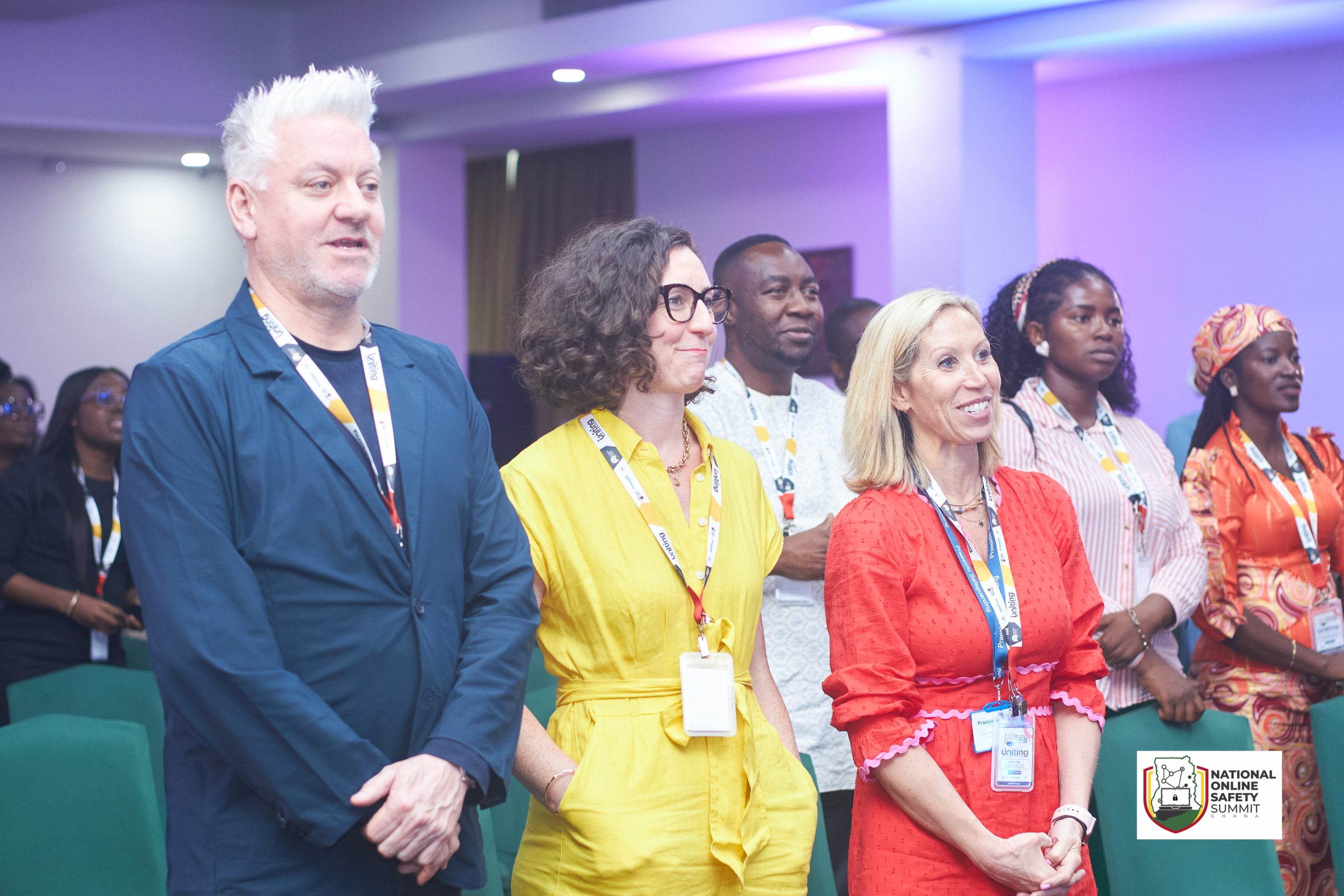
Helen King and the Praesidio Safeguarding Team
Helen King and the wider Praesidio Safeguarding team were recognised for their commitment to evidence-informed child protection, international collaboration and culturally relevant prevention.
Their contributions have helped bring attention to the realities of online grooming, coercion and financial exploitation, while reinforcing the importance of understanding the environments in which children experience harm.
The recognition reflected the value of grounding safeguarding interventions in research, lived experiences and practical prevention approaches.
Dr. Jamal Tonzua Seidu
Dr. Jamal Tonzua Seidu, Acting Deputy Director-General of Ghana’s Cyber Security Authority, was celebrated for his contribution to translating cybersecurity policy into practical safeguarding measures.
His leadership and engagement reflected the importance of institutional coordination, public awareness and national responsibility in addressing online child exploitation.
Divine Selase Agbeti
Divine Selase Agbeti, Acting Director-General of the Cyber Security Authority, was acknowledged for his contributions to cybersecurity governance, public education and cross-sector collaboration.
His work underscores the importance of strong national institutions and coordinated frameworks in advancing child online protection.
COP Lydia Yaako Donkor
COP Lydia Yaako Donkor of the Ghana Police Service was honoured for her leadership in promoting intelligence-driven and victim-focused responses to online child exploitation.
Her recognition highlighted the essential role of law enforcement in prevention, investigation, accountability and protecting vulnerable children.
Together, these recognitions celebrated the individuals and institutions whose continued dedication is helping shape a safer digital future for Ghana’s children.
They also served as a reminder that progress depends on the collective efforts of many professionals working across different sectors, often beyond public visibility.
The Importance of Youth Voices and Public Participation
Another significant contribution of NOSS 2026 was its emphasis on meaningful stakeholder engagement, including the participation of young people.
Youth advocates and representatives, including members of TikTok’s African Youth Council, contributed to discussions on online safety, platform responsibility and the experiences of young digital users.
Their participation reinforced the importance of including children and young people in decisions about the digital environments they use.
Effective child online protection should not be designed exclusively by adults or institutions. It must also be informed by the experiences, concerns and perspectives of young people themselves, supported by appropriate safeguarding measures.
The Summit therefore reinforced the value of participation, inclusion and public accountability as essential elements of sustainable digital safety governance.
The Value of National and International Partnerships
NOSS 2026 demonstrated the importance of connecting Ghanaian expertise with international experience.
Contributions from Praesidio Safeguarding, Australia’s eSafety Commissioner, international policy specialists, technology representatives and regional safeguarding practitioners provided opportunities for knowledge exchange and collaborative learning.
These engagements highlighted the value of sharing effective approaches while recognising that safeguarding solutions must be adapted to Ghana’s social, cultural, legal and institutional context.
The Summit also created opportunities for stronger relationships among organisations working on prevention, investigation, digital rights, child protection and technology governance.
Such partnerships can support continued learning, professional capacity building, research collaboration and more coordinated responses to online exploitation.
From Recommendations to Measurable Progress
The conclusion of NOSS 2026 raises an important question: How will the commitments and recommendations emerging from the Summit translate into lasting improvements for children?
For the Ghana Internet Safety Foundation and its partners, sustaining the momentum will require continued engagement with stakeholders, support for professional capacity building, public education, research and advocacy for stronger safeguarding systems.
The discussions point towards several important areas for continued attention: improving reporting pathways, strengthening institutional coordination, promoting responsible technology development, expanding prevention education and ensuring that children’s voices inform national digital safety priorities.
Progress should ultimately be assessed by practical improvements in how online harm is prevented, reported, investigated and addressed.
The goal is not simply to create more awareness, but to build systems that children and families can trust.
A Shared Responsibility for Ghana’s Digital Future
Reflecting on the Summit, one principle captures the spirit of the two-day gathering:
“It takes a village to protect a child, and in the digital age, that village spans government, law enforcement, civil society, industry, and communities.”
NOSS 2026 brought that village together.
From national cybersecurity leadership and law enforcement to educators, researchers, safeguarding specialists, technology companies and youth advocates, the Summit demonstrated that meaningful progress requires shared responsibility and sustained cooperation.
The Ghana Internet Safety Foundation remains committed to advancing this collective agenda through research, public education, professional capacity building, safeguarding initiatives and multi-stakeholder engagement.
As Ghana embraces digital innovation and artificial intelligence, protecting children must remain a central priority in the country’s digital transformation.
The legacy of NOSS 2026 should not be measured only by the conversations held or the people gathered, but by the actions taken, the gaps closed and the children better protected as a result.
The work continues.
Learn more: www.nossgh.org