Promoting safe, responsible, and positive internet use for children, families, older adults, persons with disabilities, and communities in an era of social media, artificial intelligence, and other emerging technologies.
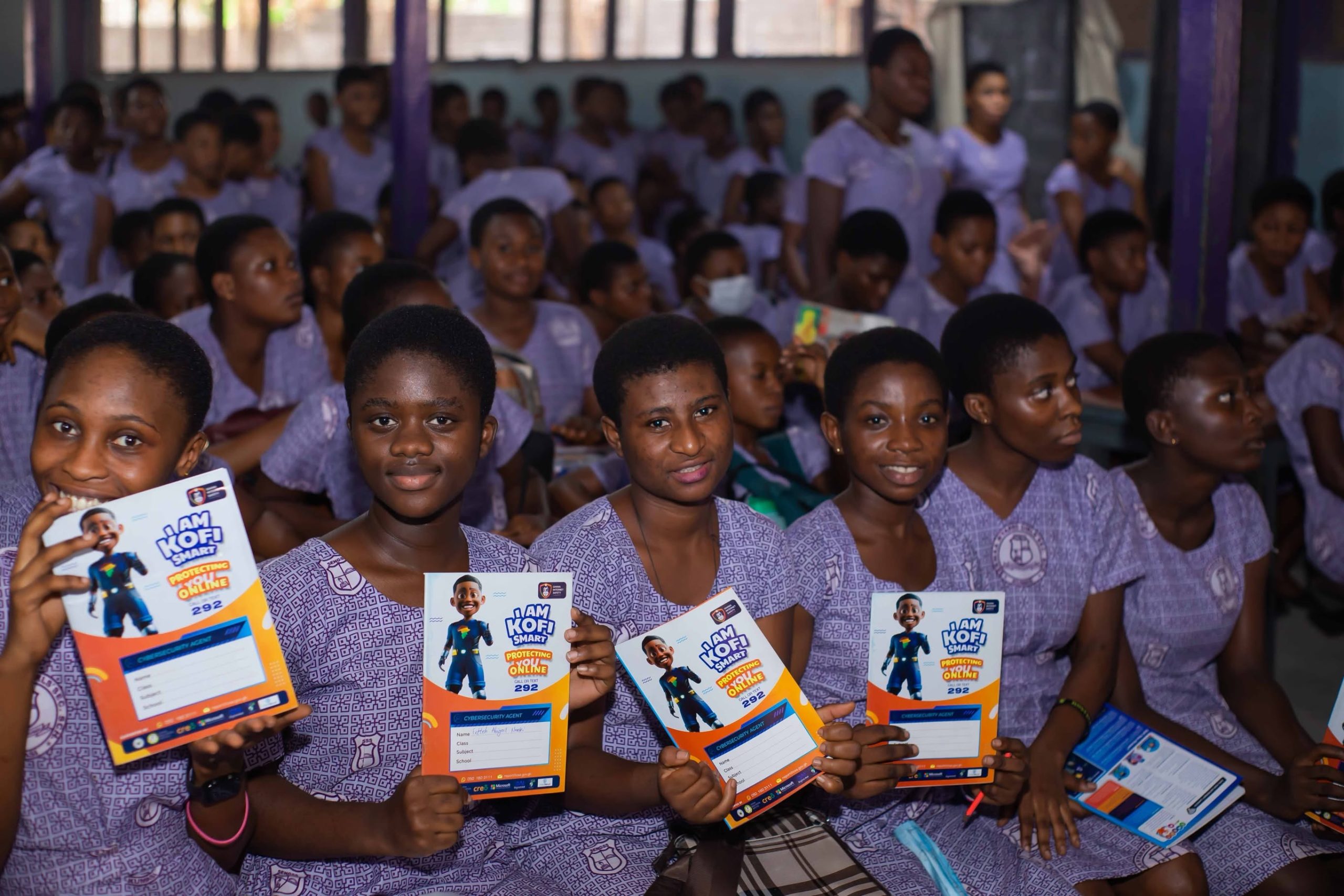
The Ghana Internet Safety Foundation is a nonprofit organization founded in 2014 to promote online safety, child protection and responsible digital citizenship.
GISF was established to respond to the growing need for education, awareness, and practical support around the safe use of the internet, social media, and digital technologies. As new tools — from generative AI to connected devices — reshape how children and families live online, our work has grown to help communities understand both the opportunities and the risks these technologies bring. This includes protecting groups who are often more vulnerable to online harm, such as elderly persons targeted by digital fraud and scams, and persons with disabilities or special needs who may face additional barriers to safe and independent internet use.
Our work is grounded in community engagement, research-based education, child protection, digital inclusion, and partnerships that help build safer online experiences for all — across every age and ability, today and tomorrow.
At GISF, we believe that lasting online safety begins with education and collaboration. Our approach combines practical training, community engagement, research, and strategic partnerships to equip people with the skills they need to thrive in an increasingly digital world — one where artificial intelligence and other emerging technologies are becoming part of everyday life.
Through school outreach, teacher development, digital parenting initiatives, cybersecurity awareness programs, elder fraud and abuse prevention, accessible digital literacy for persons with disabilities and special needs, AI and emerging technology literacy, and professional capacity building, we empower individuals and organizations to prevent online harm before it happens.
Every program is designed to create measurable, long-term impact by strengthening digital literacy, promoting child protection, safeguarding older adults from online fraud, supporting persons with disabilities and special needs, and fostering responsible technology use — including the safe and ethical use of AI — across Ghana.
We take a positive and developmentally appropriate approach to online safety education.
Our work reflects current research, evolving practices — including the fast-changing landscape of AI and emerging technology — and practical community needs.
We seek to understand and include the perspectives of children and young people in conversations about their digital lives, including how they use and encounter AI tools.
We engage parents, caregivers, educators, professionals and religious bodies as important resources for children and youth navigating a rapidly changing digital and AI-driven world.
We recognize that elderly persons, persons with disabilities, and individuals with special needs face distinct online risks — including digital fraud, scams, and exclusion from safety education — and we design our programs to be accessible and relevant to their needs.
We uphold the principles of child protection and the values set out in the United Nations Convention on the Rights of the Child, including protection from emerging risks such as AI-generated exploitation and deepfake abuse.
To promote the safe and responsible use of all forms of digital communication, social media, and emerging technologies such as artificial intelligence through education that is research-based, pro-technology, and inclusive of children, older adults, and persons with disabilities and special needs.
To positively influence this and future generations — across all ages and abilities — to be informed and responsible users of digital technology, including artificial intelligence and other emerging tools.
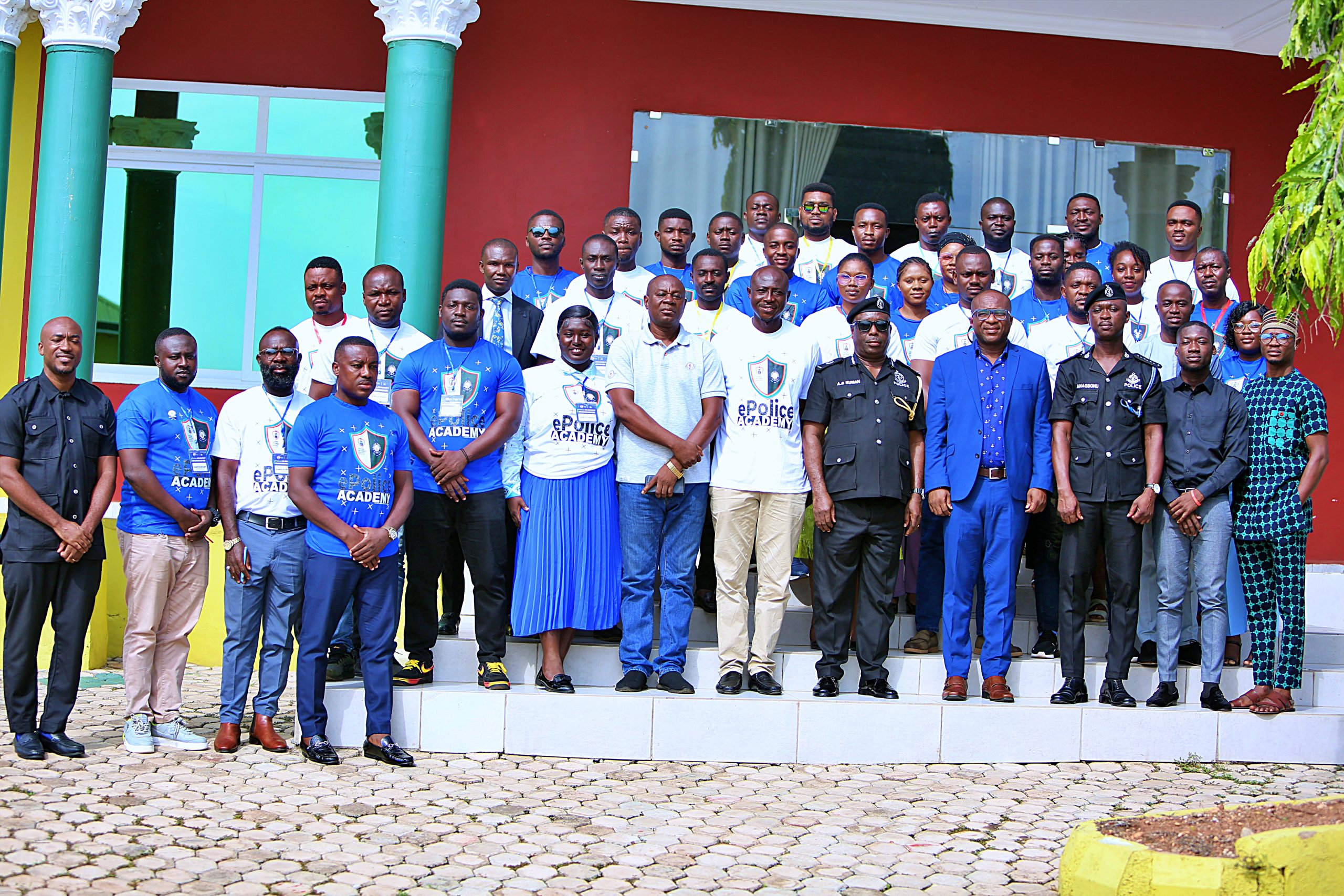
We deliver practical training, workshops and resources for children, parents, teachers, professionals, older adults, persons with disabilities and special needs, and community groups — covering both established online risks and emerging ones, such as AI-generated content and misinformation.
We promote early awareness to help children, families, and vulnerable groups — including elderly persons and persons with disabilities — recognize online risks before harm occurs, including digital fraud and scams, and risks introduced by AI tools, chatbots, and algorithm-driven platforms.
We advocate for safer digital environments and support systems that protect children, older adults, persons with disabilities and special needs, and other vulnerable groups from online harm, including elder financial fraud and harms enabled by AI, such as deepfakes and automated exploitation.
We provide guidance and support pathways for people affected by online abuse, exploitation, harassment, fraud, and digital trauma — including elder fraud victims and harms facilitated through AI and other emerging technologies.
We use research, public education and stakeholder engagement to influence stronger online safety systems and policies that protect children, older adults, and persons with disabilities, and that keep pace with AI and emerging technology.