
Accra, Ghana | 19 October 2026
The Ghana Internet Safety Foundation (GISF) has reaffirmed its commitment to strengthening child online protection and victim-centred support services through its participation in a national stakeholder consultation on the development of an Online Child Victim Support Framework.
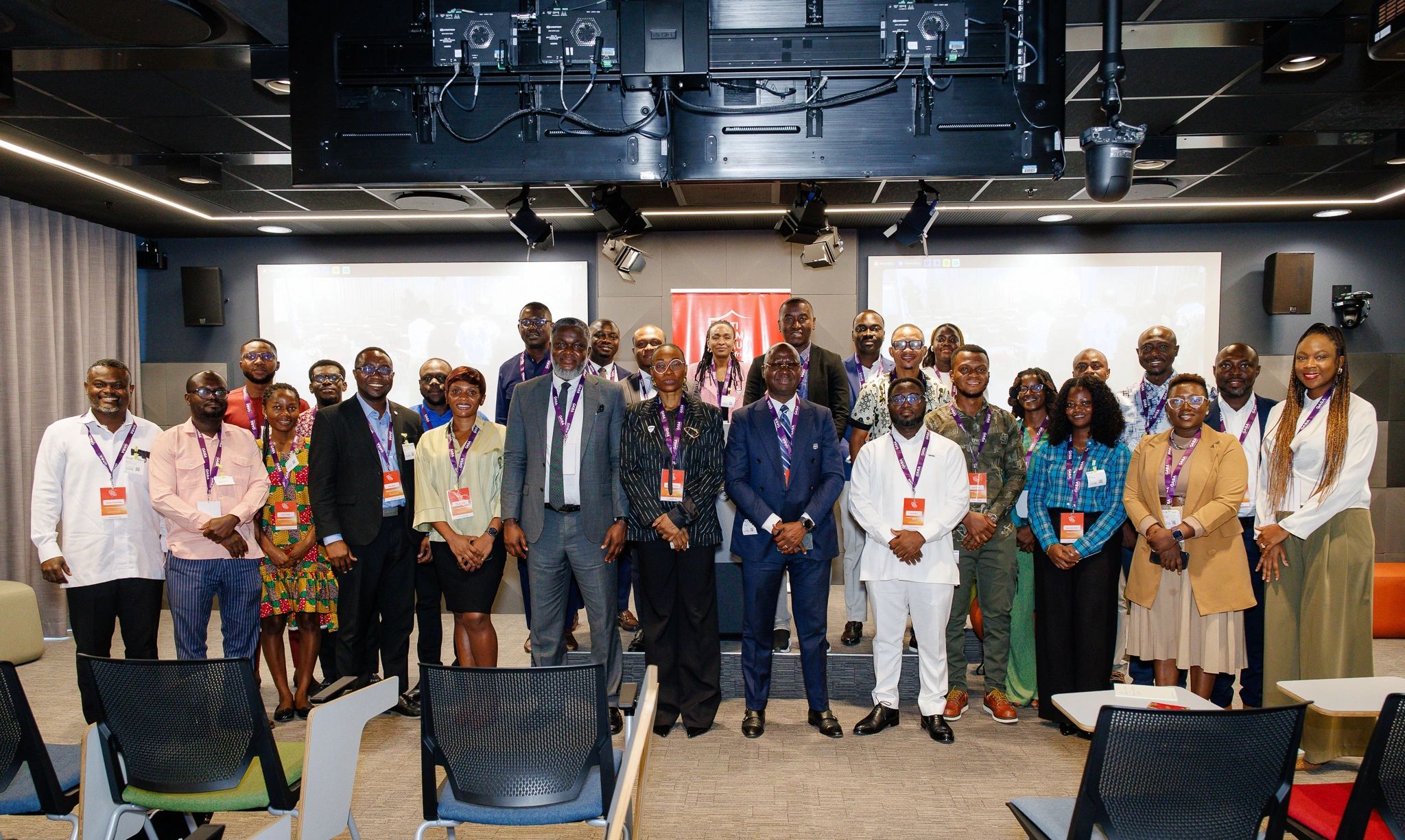
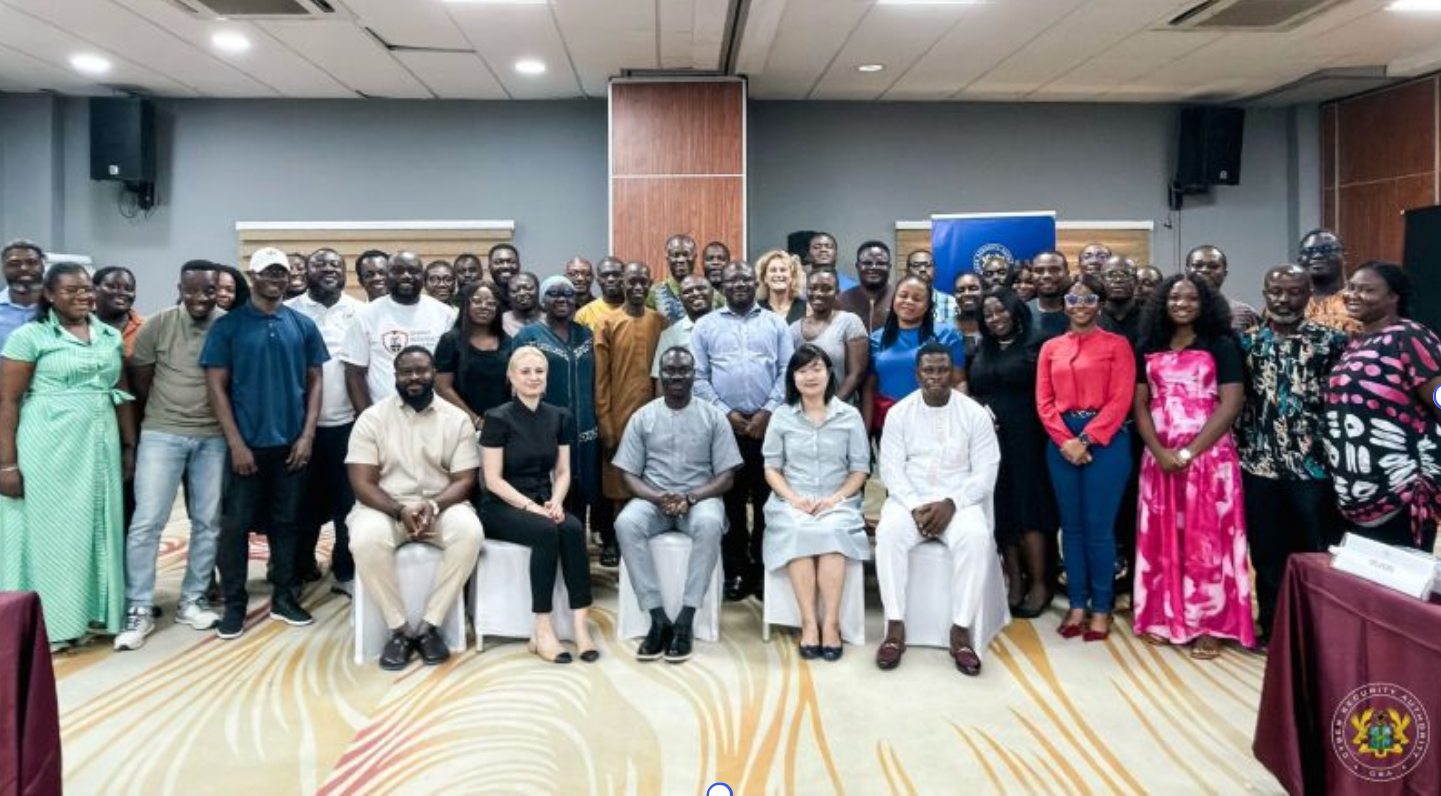
The consultation, convened by the Cyber Security Authority (CSA) on Friday, 16 October 2026, at the National Communications Authority Conference Room in Accra, formed part of activities associated with National Cyber Security Awareness Month (NCSAM) 2026.
GISF, a partner of the CSA for NCSAM 2026, was represented by its Policy Analyst, Fredrica Amoako-Atta.
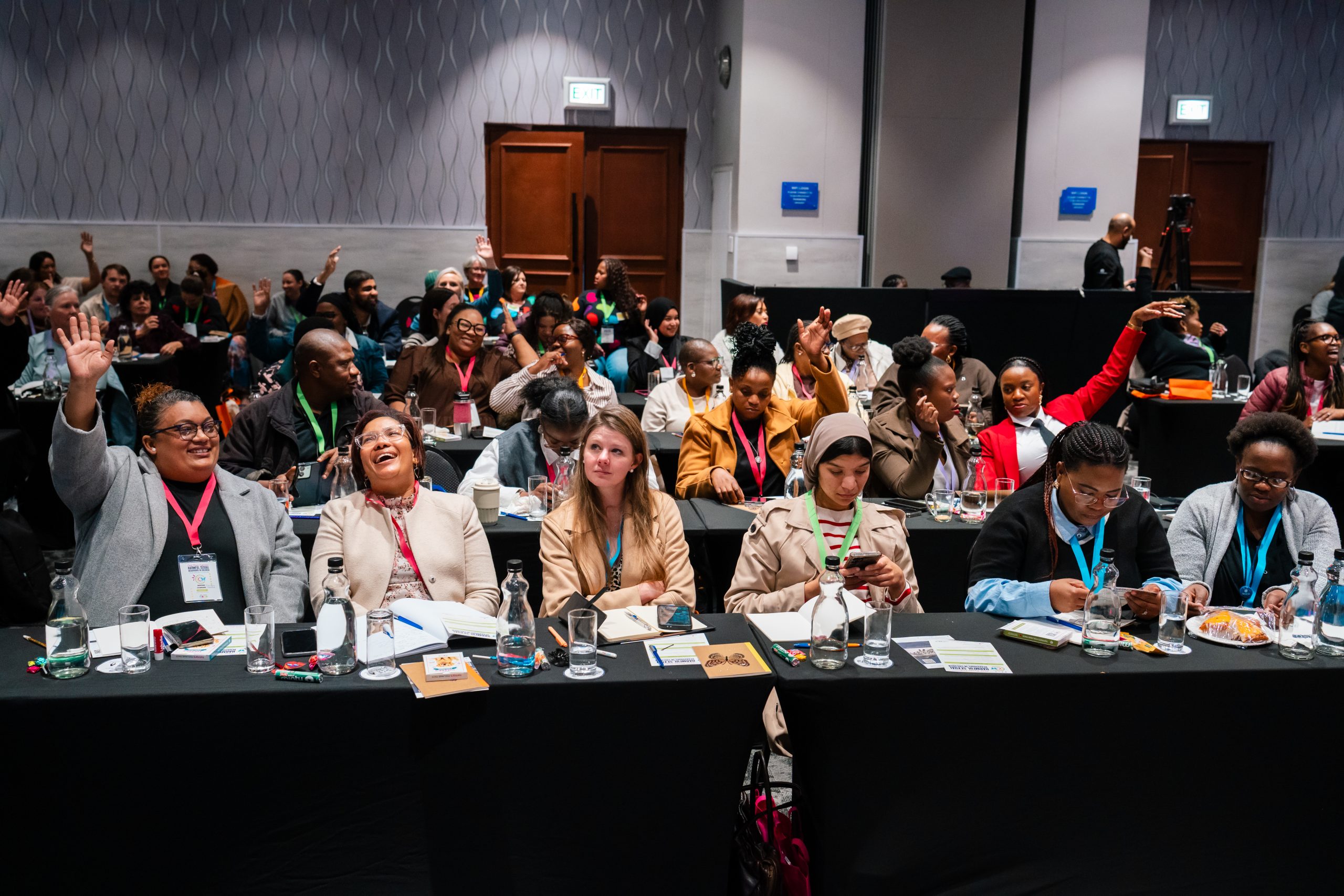
The meeting brought together representatives of government institutions, law enforcement agencies, child protection organisations, legal practitioners, and civil society to examine existing victim support mechanisms, identify gaps in service delivery, and contribute recommendations towards a coordinated national response.
Moving Beyond Prevention to Victim-Centred Protection
Children who experience online abuse, exploitation, sextortion, cyberbullying, or the non-consensual sharing of intimate images often face challenges extending beyond the initial incident.
These may include psychological trauma, social stigma, privacy violations, difficulties accessing justice, and repeated exposure to harmful content.
Discussions at the consultation highlighted the need for Ghana’s child online protection efforts to move beyond awareness creation and prevention to include accessible, coordinated, trauma-informed, and child-sensitive support for victims and survivors.
A major concern raised was secondary victimisation, particularly where victims’ identities or experiences are exposed through social media, online publications, or traditional media reporting.
Reflecting on the importance of the consultation, GISF Policy Analyst Fredrica Amoako-Atta stated:
“For many children, the harm does not end when the online abuse stops. The fear, stigma, emotional trauma, and challenges of seeking justice can remain long after the incident. We must ensure that children who come forward are met with compassion, confidentiality, and coordinated support rather than systems that expose them to further harm. This framework presents an important opportunity for Ghana to place the dignity, safety, and recovery of every affected child at the centre of its response.”
Participants emphasised that children who disclose abuse should not be subjected to further humiliation, repeated questioning, or unnecessary exposure while seeking assistance.
Strengthening Institutional Coordination and Referral Pathways
The consultation examined gaps in existing victim support systems, including fragmented referral mechanisms, limited public awareness of available services, financial barriers to accessing medical documentation, and inadequate coordination among responding institutions.
Stakeholders proposed several measures to strengthen the emerging framework, including:
Establishing accessible, child-friendly, one-stop victim support services.
Developing coordinated referral pathways between law enforcement, social welfare, healthcare providers, and other relevant institutions.
Introducing standardised risk assessment procedures for identifying and responding to urgent cases.
Strengthening confidentiality, informed consent, and protection of victims’ identities.
Improving mechanisms for the timely removal of harmful online content.
Expanding victim support and reporting services to underserved and rural communities.
Enhancing professional capacity in trauma-informed and child-sensitive case management.
Participants also emphasised the importance of engaging technology platforms, telecommunications providers, and media organisations in efforts to prevent further harm and improve victim protection.
Addressing Emerging Forms of Online Child Abuse
The discussions highlighted the evolving nature of online child sexual exploitation and abuse (OCSEA), including sextortion, technology-facilitated sexual abuse, cyberbullying, and the non-consensual distribution of intimate images.
These forms of abuse can have significant emotional, social, educational, and psychological consequences for affected children.
Stakeholders stressed that an effective national response requires collaboration across the criminal justice system, education sector, social welfare institutions, mental health services, and digital platforms.
The proposed framework provides an opportunity to clarify institutional responsibilities, strengthen referral coordination, and establish more consistent standards for supporting victims and survivors.
GISF’s Commitment to Child Online Protection and Recovery
GISF’s participation reflects its broader commitment to advancing evidence-informed child online protection policies, digital safeguarding, and survivor-centred interventions in Ghana.
Through its CyberClinic Helpline 267, CyberTrauma initiatives, online safety education, and engagement with national child protection stakeholders, the Foundation continues to advocate for approaches that recognise both the immediate safety needs and longer-term recovery of children affected by online harm.
Commenting on the significance of the proposed framework, Emmanuel Adinkrah, President of the Ghana Internet Safety Foundation, stated:
“Through our CyberClinic Helpline 267, we recognise the importance of accessible reporting channels and timely support for victims of online abuse. The development of this framework is an important step towards addressing gaps in victim support, strengthening institutional referrals, and ensuring that children affected by online exploitation receive coordinated, victim-centred assistance.”
GISF believes that effective child online protection must be grounded in prevention, timely intervention, access to justice, psychosocial support, and the preservation of every child’s dignity and privacy.
The Foundation welcomes the CSA’s initiative to develop the Online Child Victim Support Framework and remains committed to supporting collaborative efforts that strengthen Ghana’s capacity to respond to online child abuse and exploitation.
Protecting children online must not end when abuse is reported. It must extend to ensuring that every affected child can access the care, protection, dignity, and support needed to recover.