Ghana Hosts Maiden National Online Safety Summit, Uniting Global Leaders to Strengthen Child Online Protection
Two-day landmark gathering brings together government, law enforcement, technology companies, civil society, international experts and young people to confront online child sexual exploitation and abuse.
ACCRA, GHANA | 3–4 FEBRUARY 2026
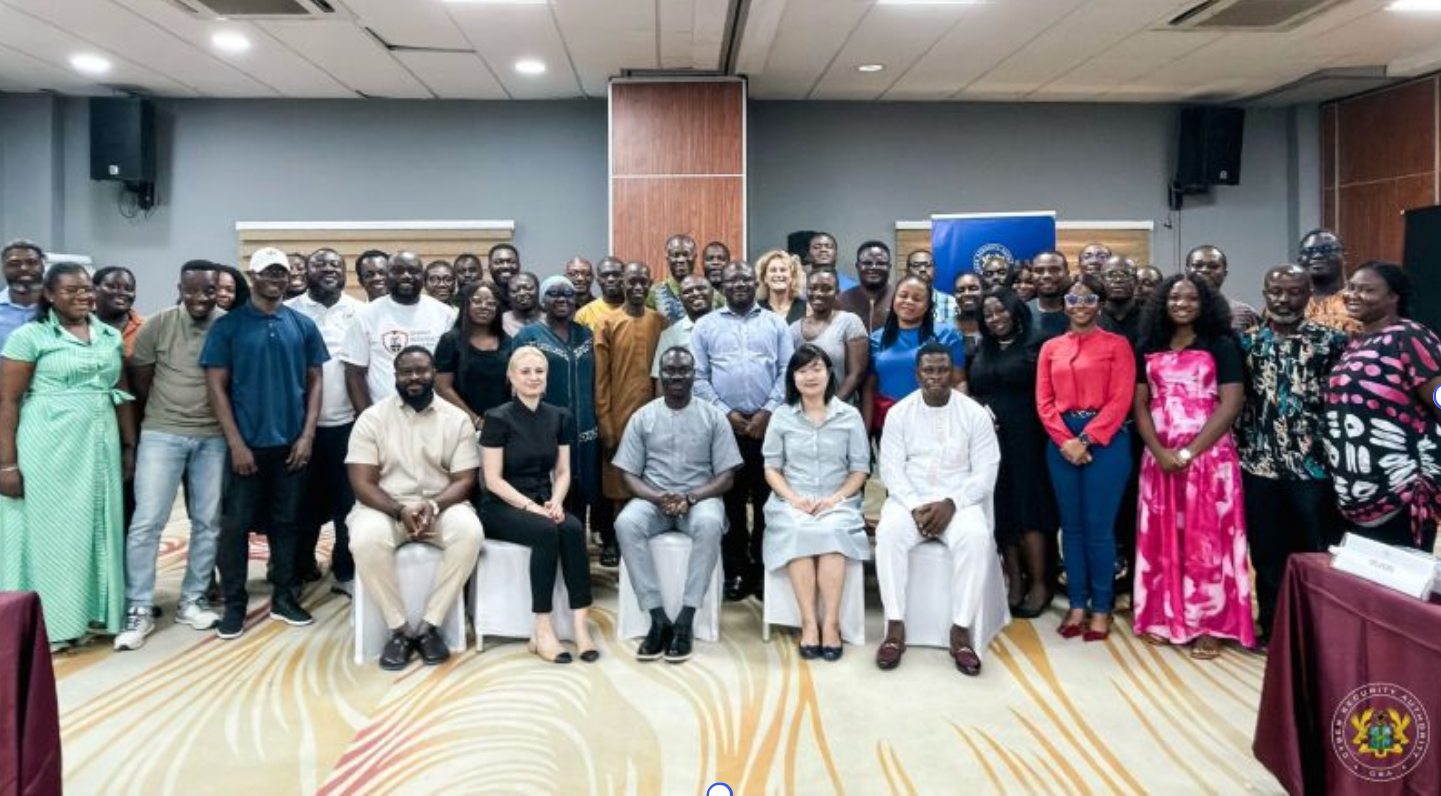
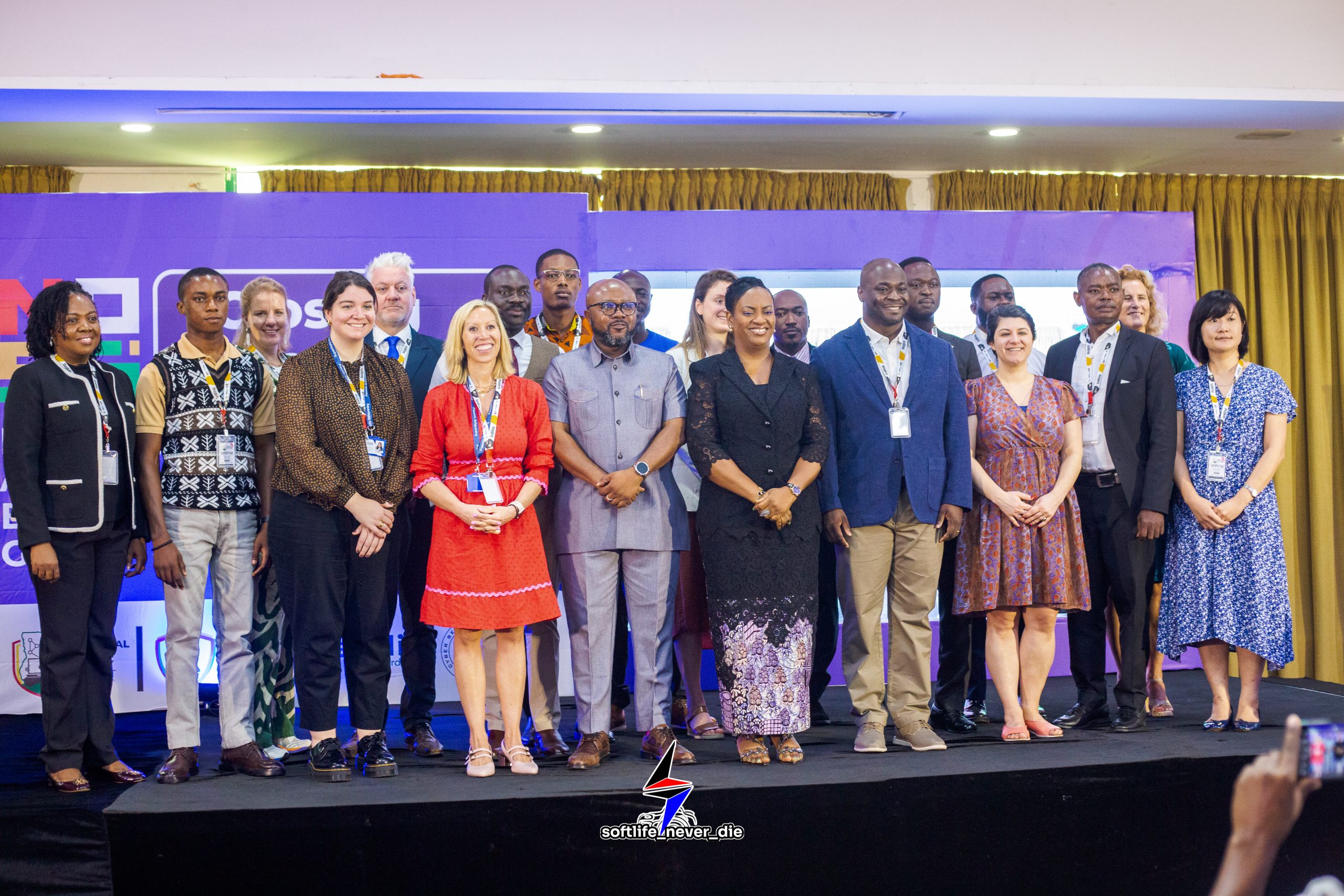
Ghana marked an important milestone in its child online protection efforts with the successful hosting of the maiden National Online Safety Summit (NOSS 2026), held from 3–4 February 2026 at the Alisa Hotel, North Ridge, Accra.
Convened under the theme “Closing the Gaps: Building a United Front Against Online Child Sexual Exploitation and Abuse in Ghana,” the Summit brought together national and international leaders, policymakers, cybersecurity regulators, law enforcement agencies, educators, technology companies, researchers, civil society organisations and youth advocates.
The gathering provided a national platform to examine the growing risks facing children in digital environments, assess gaps in Ghana’s existing safeguarding systems and explore coordinated approaches to preventing and responding to online child sexual exploitation and abuse (OCSEA).
The Summit was driven by the Ghana Internet Safety Foundation (GISF), working with Praesidio Safeguarding and collaborating stakeholders, reflecting a shared commitment to building a safer and more accountable digital environment for children.
From National Television to a National Conversation
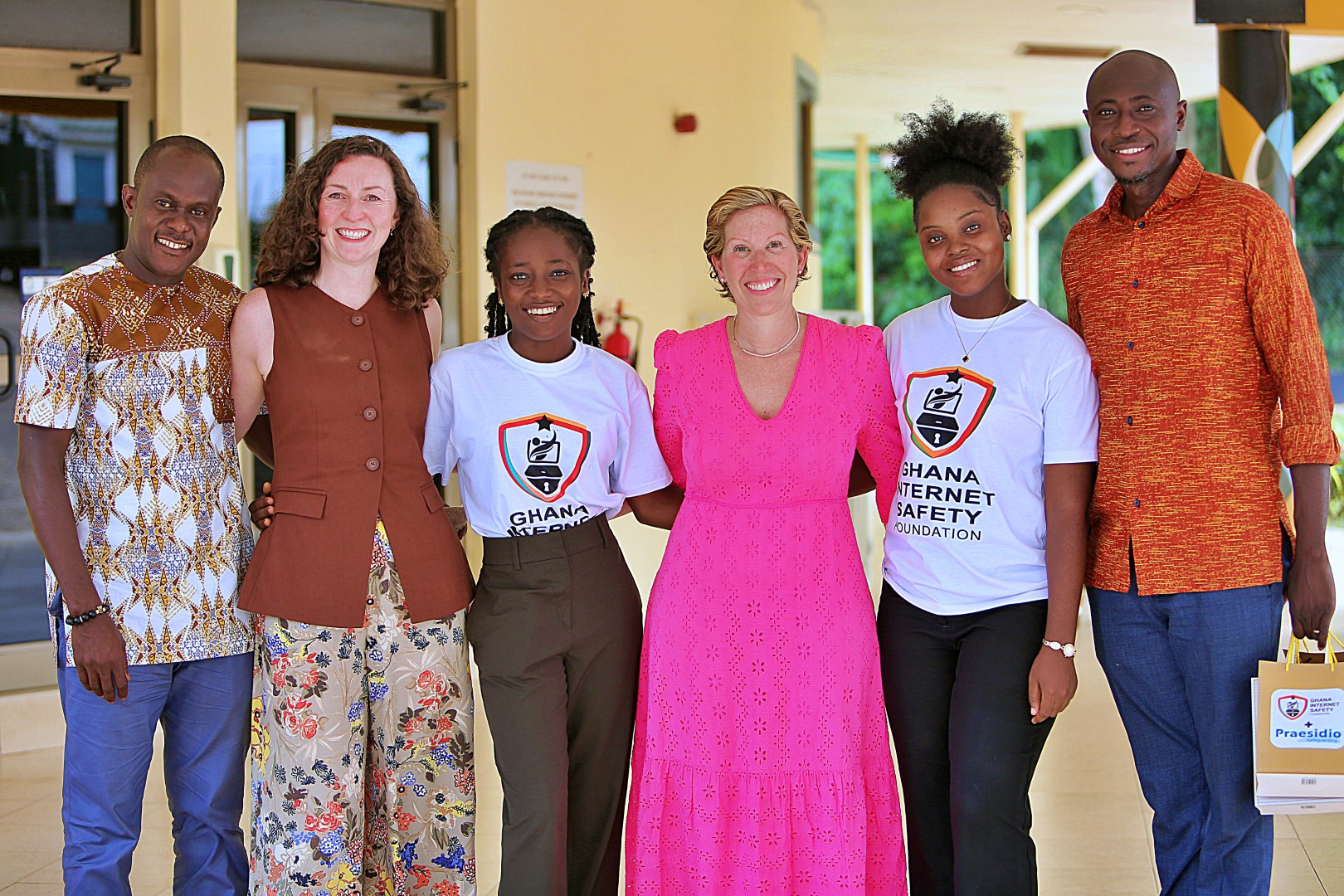
Ahead of the Summit, Emmanuel Adinkrah, President of the Ghana Internet Safety Foundation, and Helen King, Founder and Executive Director of Praesidio Safeguarding, appeared on TV3 Ghana’s The Afternoon Show to discuss the urgent question: How can we make the internet a safer place for children?
Hosted by Anita Akua Akuffo and Godwin Selorm Namboh, the discussion highlighted the realities of online grooming, financial sextortion, exploitation and other forms of technology-facilitated harm.
Both speakers emphasised that protecting children online is a shared responsibility requiring meaningful participation from families, schools, law enforcement, digital platforms, regulators and government institutions.
The television engagement helped bring the issue into public focus immediately ahead of the Summit, creating momentum for the discussions that followed.
Day One: Understanding the Threats and Identifying the Gaps
The opening day focused on understanding Ghana’s child online protection landscape, identifying institutional weaknesses and exploring the operational challenges facing safeguarding practitioners.
Dr. Jamal Tonzua Seidu, Acting Deputy Director-General of Ghana’s Cyber Security Authority (CSA), delivered opening remarks that highlighted the real-world consequences of online exploitation.
Through a case involving the online grooming and sextortion of a 14-year-old girl, he drew attention to the importance of victim support, timely intervention, effective investigations and greater accountability from technology platforms.
The first keynote discussion, moderated by Benjamin Owusu-Ansah of Event Oxygen, featured Helen King and Emmanuel Adinkrah, who examined the state of child online safety in Ghana and the urgent need for stronger collaboration.
During the session, the GISF President delivered a message that became one of the Summit’s defining statements:
“We are not here to admire the problem but to engineer solutions to it.”
The statement captured the Summit’s emphasis on moving beyond awareness towards coordinated action, practical reforms and stronger institutional safeguards.
Examining Ghana’s Child Online Protection Ecosystem
A major feature of Day One was the breakout session titled “Understanding the Child Online Protection Ecosystem & Identifying Gaps.”
Participants worked in thematic groups covering reporting and hotlines, intelligence and data, operational coordination, industry and technology, artificial intelligence and crime convergence, and community education and legal frameworks.
The discussions identified challenges including fragmented reporting mechanisms, limited institutional coordination, insufficient investigative capacity, low public awareness and the stigma associated with reporting sexual exploitation.
Stakeholders proposed improvements such as dedicated rapid-response teams within telecommunications companies, a centralised national case management system, stronger coordination led by the CSA and expanded public education on online grooming.
The breakout sessions also highlighted the need to prepare for emerging threats involving artificial intelligence and increasingly sophisticated online criminal activity.
Law Enforcement, Technology and Emerging Online Threats
The Summit featured a technical presentation by Terence Addey Adams of the Ghana Police Service’s Criminal Investigation Department (CID) and Cybercrime Unit, who discussed the operational realities of investigating online child sexual exploitation.
His presentation examined evolving threats including grooming, sextortion, AI-enabled exploitation and live-streamed abuse.
He also identified challenges involving encrypted platforms, cross-border investigations, limited technical capacity and underreporting.
The discussion reinforced the importance of specialised investigative training, intelligence sharing, international cooperation and stronger partnerships between law enforcement and technology companies.
Participants also explored the potential for locally developed technology to support prevention.
Esmond Adjei of Dipper Lab / MindSafe Ghana introduced MindSafe, an AI-powered prototype informed by engagements with children and schools and intended to support the early detection and prevention of online grooming.
The presentation illustrated the opportunities for Ghanaian innovation to contribute to safer digital environments while ensuring that emerging technologies are developed responsibly.
Making Child Online Protection a Personal Responsibility
Another important session was “One Change I Will Champion,” facilitated by Dr. Isaac Tweneboah-Koduah.
He challenged participants to consider the gap between children’s access to digital devices and their preparedness to navigate online threats.
As he observed:
“We teach children how to cross the road, but we hand them smartphones without teaching them how to survive online.”
The session encouraged participants to identify practical commitments they could champion within their institutions and communities.
Closing reflections from Paul Phillips, Head of Strategy and Policy at Praesidio Safeguarding, and Emmanuel Adinkrah reinforced the need to sustain collaboration beyond the Summit.
Day Two: Public Engagement, Accountability and Global Perspectives
The second day, held under the focus “Stakeholder & Public Engagement,” shifted attention towards public accountability, youth participation, international experiences and practical strategies for strengthening Ghana’s national response.
The morning began with informal networking, coffee and tea, and cultural performances that created opportunities for delegates to connect across sectors.
In his opening remarks, Emmanuel Adinkrah reiterated that safeguarding children in digital spaces requires collective responsibility and sustained leadership.
The proceedings were facilitated by Benjamin Owusu-Ansah of Event Oxygen.
Understanding the Human Impact of Online Exploitation
Helen King shared insights grounded in Ghanaian experiences, illustrating how initial online contact can escalate into coercion, financial abuse and psychological harm.
She emphasised the importance of early intervention and culturally relevant prevention strategies that reflect children’s lived experiences and the communities in which they grow up.
Her presentation reinforced the importance of moving prevention efforts beyond generic awareness messages towards approaches informed by evidence, context and the realities of children and families.
Strengthening National Cybersecurity Governance
Divine Selase Agbeti, Acting Director-General of the Cyber Security Authority, addressed Ghana’s child online protection mandate and the need for stronger coordination across institutions.
He highlighted gaps in parental supervision, digital literacy, industry accountability and institutional cooperation.
He also discussed the importance of Ghana’s National Online Child Protection Framework as a roadmap for coordinated national action.
The discussion underscored the need to translate policy commitments into effective safeguarding systems that connect prevention, reporting, investigation and victim support.
Proactive Policing and Judicial Accountability
COP Lydia Yaako Donkor of the Ghana Police Service’s Criminal Investigation Department brought an important law enforcement perspective, emphasising intelligence-led and proactive approaches to disrupting online child exploitation.
Her contribution highlighted the importance of detecting threats early, strengthening investigative capabilities and improving cooperation between agencies.
The Summit also benefited from judicial perspectives, including the participation of Her Ladyship Justice Afia Serwah Asare-Botwe, reinforcing the importance of legal accountability and effective justice responses to technology-facilitated harm.
Learning from International Online Safety Regulation
Joining virtually, Julie Inman Grant, Australia’s eSafety Commissioner, shared lessons from Australia’s experience in online safety regulation, public education and platform accountability.
Her contribution provided an international perspective on the role of regulatory institutions in protecting children and holding digital service providers accountable.
The discussions highlighted opportunities for Ghana to draw on global experience while developing responses appropriate to its own institutional, cultural and technological environment.
Bringing Together Diverse Voices
Beyond the keynote presentations, NOSS 2026 featured panels, fireside conversations and stakeholder engagements involving researchers, policy specialists, practitioners, technology representatives and youth advocates.
Contributors included Kwasi Mensah Nyarko, Doreen Raheena Sulleyman, Gwendoline Abbey, Eben Asare-Boafo, Dushica Naumovska, Maud Ashong Elliot, Irene Sam, Lydia Davenport, Jael Amponsah Bempah, Dr. Isaac Tweneboah-Koduah, Abigail Adu-Daako, Zoé Colpaert, Federica Dadone, Joy Anima Deborah, Terence Addey Adams, Felicity Feleke, Athena Morgan, Dan Mills, Haley Raymond, Chloe Setter, Victoria Oloni and Juliet Ohahuru-Obiora, alongside members of TikTok’s African Youth Council.
Their participation enriched conversations on investigation, prevention, policy, youth engagement, digital platform responsibility and international cooperation.
Importantly, the inclusion of youth perspectives reinforced the principle that children and young people should be meaningfully involved in discussions and decisions concerning their digital safety.
A National Milestone for Child Online Protection
After two days of intensive engagement, NOSS 2026 concluded with a shared recognition that child online protection must become an enduring national priority.
The Summit highlighted the interconnected nature of online harms, the limitations of fragmented institutional responses and the importance of coordinated action.
It also demonstrated the value of bringing together stakeholders who approach child online protection from different perspectives but share a common safeguarding objective.
For the Ghana Internet Safety Foundation, the successful convening of NOSS 2026 represents an important step in advancing national dialogue, strengthening partnerships and encouraging evidence-informed responses to online child exploitation.
The Summit’s message was unmistakable: protecting children online is not optional, and the responsibility cannot be left to any single institution.
As Ghana continues its digital transformation, the conversations initiated at NOSS 2026 provide a foundation for continued collaboration, stronger safeguards and practical action to protect children in an increasingly connected world.
Learn more about the National Online Safety Summit: www.nossgh.org