Tamale, Ghana | 29–30 September 2026
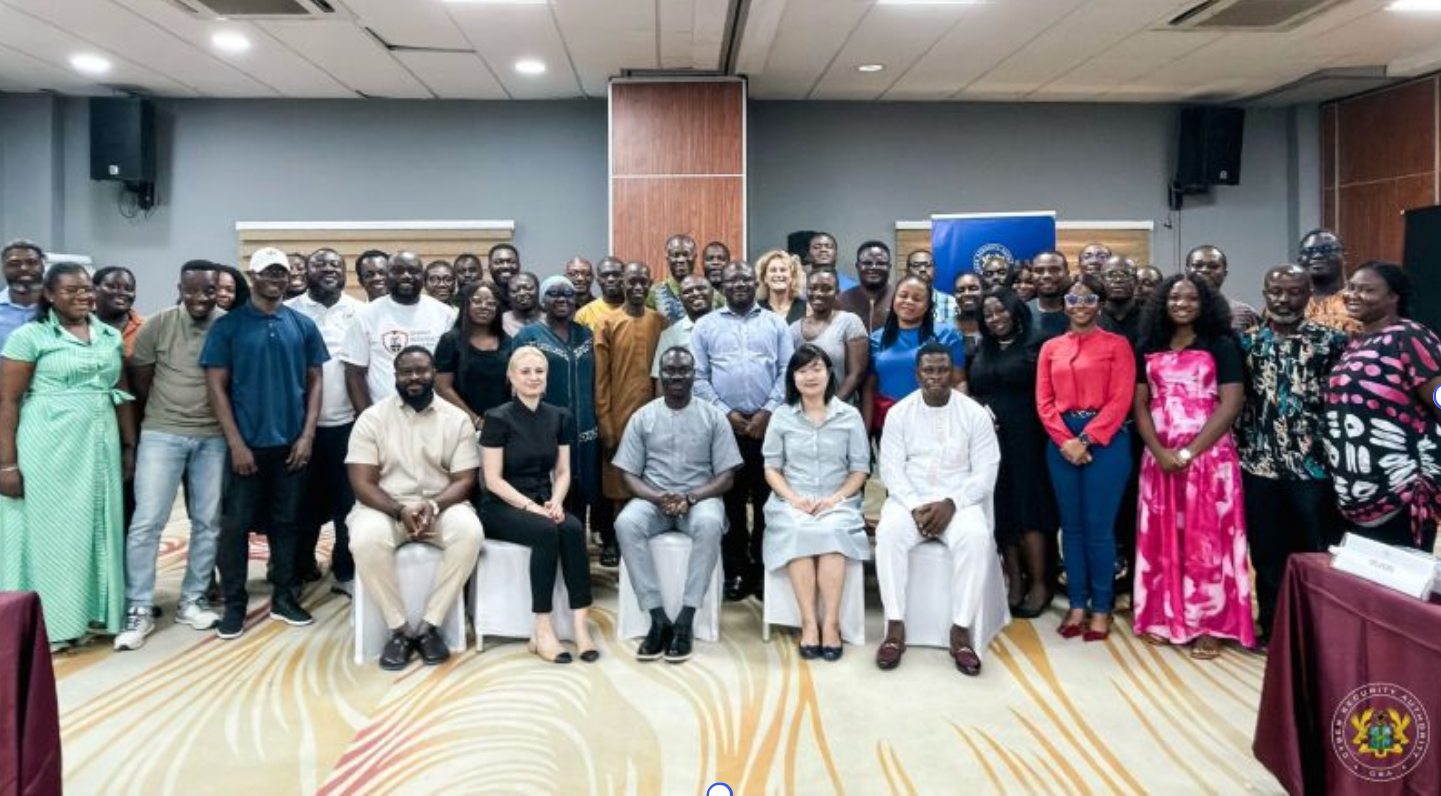
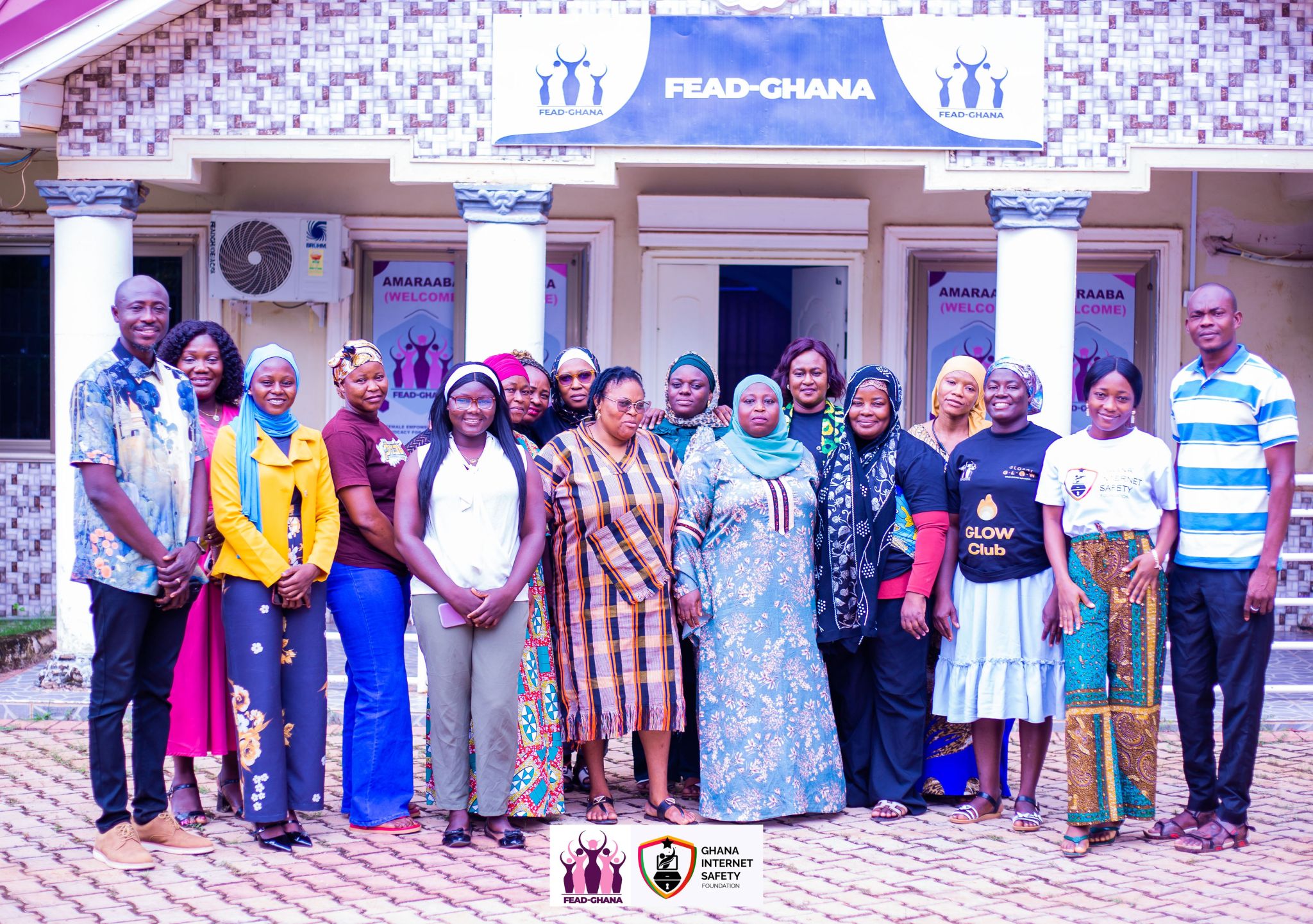
Ghana Internet Safety Foundation (GISF), in partnership with Digital Aid International and FEAD-Ghana, held a two-day Girls Safe, Strong Online training programme in Tamale to address online safety risks affecting girls and strengthen the role of teachers in supporting safer digital experiences for young people.
The programme took place at the FEAD-Ghana office, with 15 girls from the Girls Network participating on 29 September, followed by a session for teachers on 30 September. Through practical demonstrations, case studies, group discussions and scenario-based activities, the training explored the risks young people may encounter online and ways to navigate digital spaces more safely.
Helping Girls Navigate Online Risks
The first day focused on equipping girls with knowledge to recognise online risks and make informed decisions about their digital activities. Participants explored artificial intelligence (AI), responsible technology use, online harms, emerging digital threats, privacy and data protection.
Discussions also covered positive digital identity and respectful online communication. The girls were encouraged to consider how their online behaviour shapes their digital footprints, how to protect personal information and how they can promote safer online practices among their peers and within their communities.
The sessions addressed both the opportunities technology creates and the risks that can accompany its use. This balance was central to helping participants understand that digital safety involves not only recognising potential harm but also making responsible choices when learning, communicating and interacting online.

Preparing Teachers to Support Safer Digital Experiences
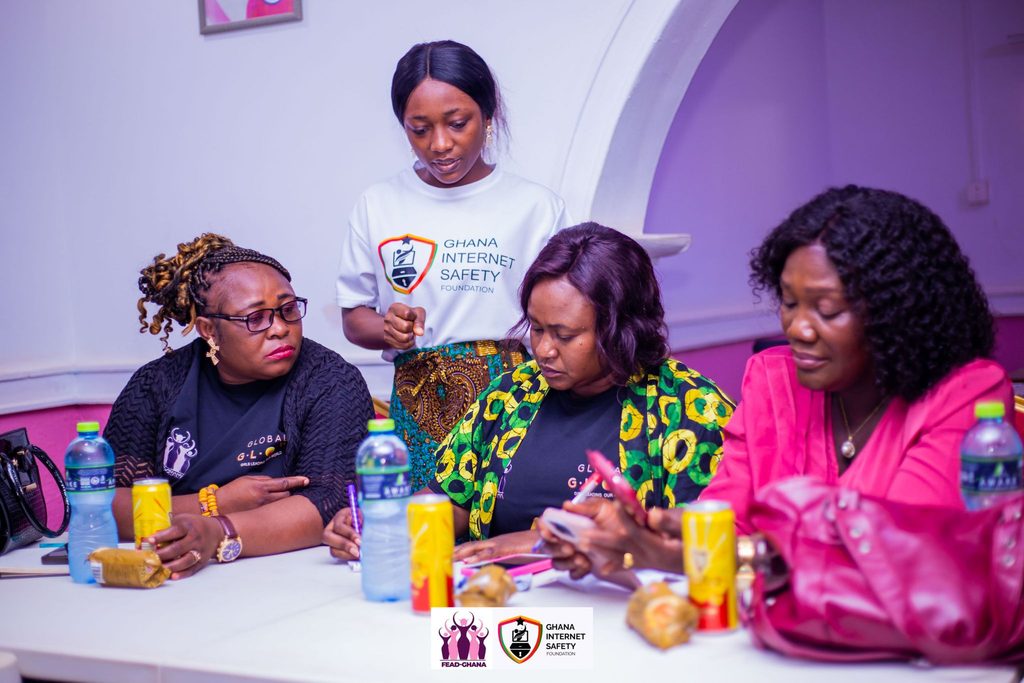
On the second day, attention turned to teachers and their role in helping young people respond to online safety concerns. Participants examined responsible AI use, online harms affecting girls, privacy and positive digital identity through school-based scenarios and group discussions.
Practical response-planning activities encouraged teachers to consider how digital safety issues might arise in school settings and how they could respond constructively. The discussions also explored ways to bring digital safety awareness into interactions with learners and the wider school community.
By focusing on practical situations, the session connected digital safety knowledge with the responsibilities teachers may encounter as they guide young people through an increasingly digital learning environment.
Connecting Girls’ and Teachers’ Roles in Online Safety
The two-day programme addressed online safety from the perspectives of both young people and the adults who support them. While the girls explored how to recognise risks and make informed decisions online, the teachers considered how to discuss these issues with learners and respond when concerns arise.
This approach reflects the importance of ensuring that young people have both the knowledge to navigate digital spaces and access to informed support when they encounter difficulties. Digital safety education can be more meaningful when conversations extend beyond individual online behaviour to include the schools and communities in which young people learn and interact.
Held ahead of National Cyber Security Awareness Month in October 2026, the Tamale training also contributed to wider discussions about responsible technology use and online safety in Ghana. Through Girls Safe, Strong Online, GISF, Digital Aid International and FEAD-Ghana brought these issues into practical discussions with girls and teachers, focusing on the decisions, awareness and support needed to navigate digital spaces more safely.
GISF welcomes opportunities to work with schools, community organisations and partners interested in practical digital safety education for young people. Organisations interested in collaborating on similar initiatives can contact the Ghana Internet Safety Foundation to discuss opportunities for engagement.