Online Safety

Spot, Stop and Protect Yourself from Deepfakes

Deepfakes are images, videos and voice recordings made or changed with artificial intelligence to look real. They can be used for fun, but also to spread lies, commit fraud and harm people’s reputations.
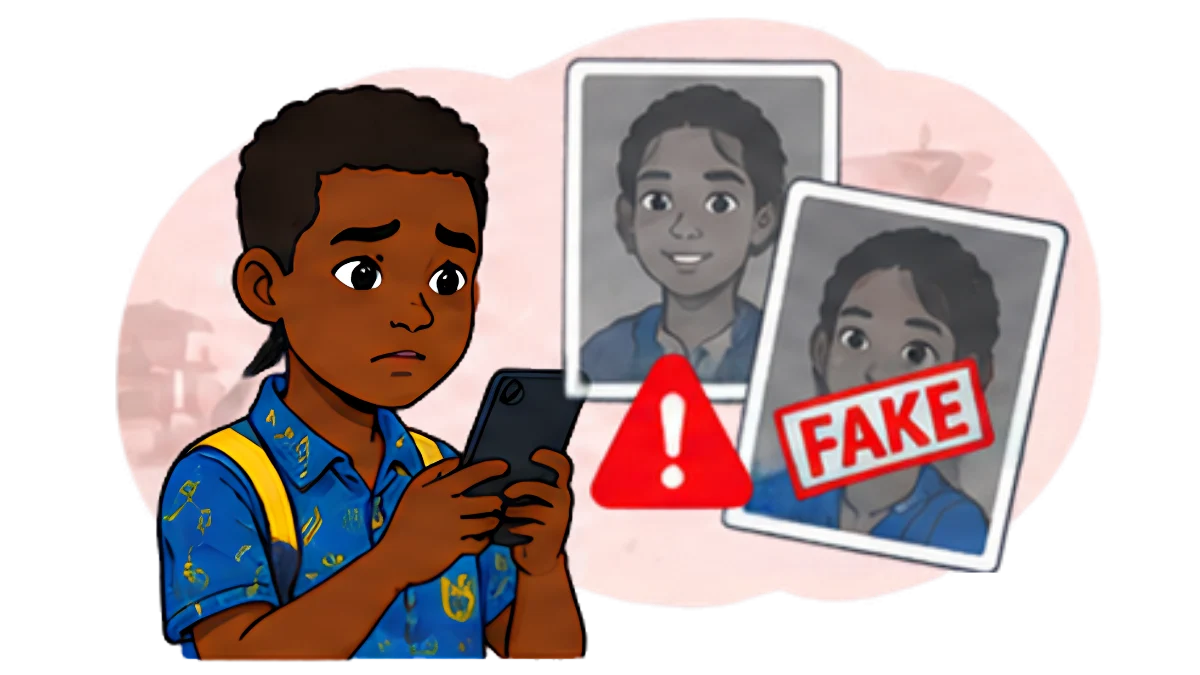
image 8904 (10)

WHY IT MATTERS

Deepfakes are now easy to make with free apps. They are used to spread false news during elections, impersonate public figures and family members in scams, and create fake sexual images of real people, including children and young women. Being targeted can be deeply distressing, even when people know the image is fake.

Creating or sharing sexual images of a child, including AI-generated ones, causes serious harm and can be a crime. Ghana’s Cybersecurity Act, 2020 (Act 1038) also makes it an offence to share intimate images of someone without their consent.
Tips

How to spot a deepfake

  • Look for odd details: blurry edges, strange hands or teeth, mismatched lighting, or lips that don’t match the words.
  • Ask who posted it first, and check whether trusted news sources are reporting it.
  • Be suspicious of urgent voice notes or calls asking for money, even if they sound like someone you know. Call the person back on a number you trust.
  • If it seems shocking or too good to be true, pause before you share.

If you are targeted

  • It’s not your fault. Don’t engage with or pay anyone threatening you.
  • Screenshot the content and the account, and note the link, before reporting it.
  • Report it to the platform. For sexual images, use Take It Down (under 18) or StopNCII.org (18 and over).
  • Call the CyberClinic Helpline on 267 or report online for support.

For parents & teachers

  • Talk to children about what deepfakes are and why they should never create or share fake images of others.
  • Warn young people about “nudify” apps that create fake nude images. Using them to target someone is abuse.

Need help?

  • Call the CyberClinic Helpline on 267, or report online.
  • If someone is in immediate danger, call the Police on 191 or emergency services on 112 straight away.